Tracing Instant Payment Pathways to Membership Tiers in Hybrid Mobile Gaming Formats
Harper Peters · Jun 25, 2026

Tracing Instant Payment Pathways to Membership Tiers in Hybrid Mobile Gaming Formats
Digital payment systems now connect users across portable devices to layered membership structures in environments that combine automated reels with live dealer interactions and those who monitor these systems note how funding routes determine access speeds and reward eligibility while industry reports from 2025 document the rise of instant settlement options that bypass traditional banking delays. Observers point to e-wallet integrations and digital currency channels as primary drivers that route funds directly into player accounts within seconds rather than hours or days and data from regulatory filings shows increased adoption rates among platforms operating in multiple jurisdictions.
Core Elements of Funding Corridors
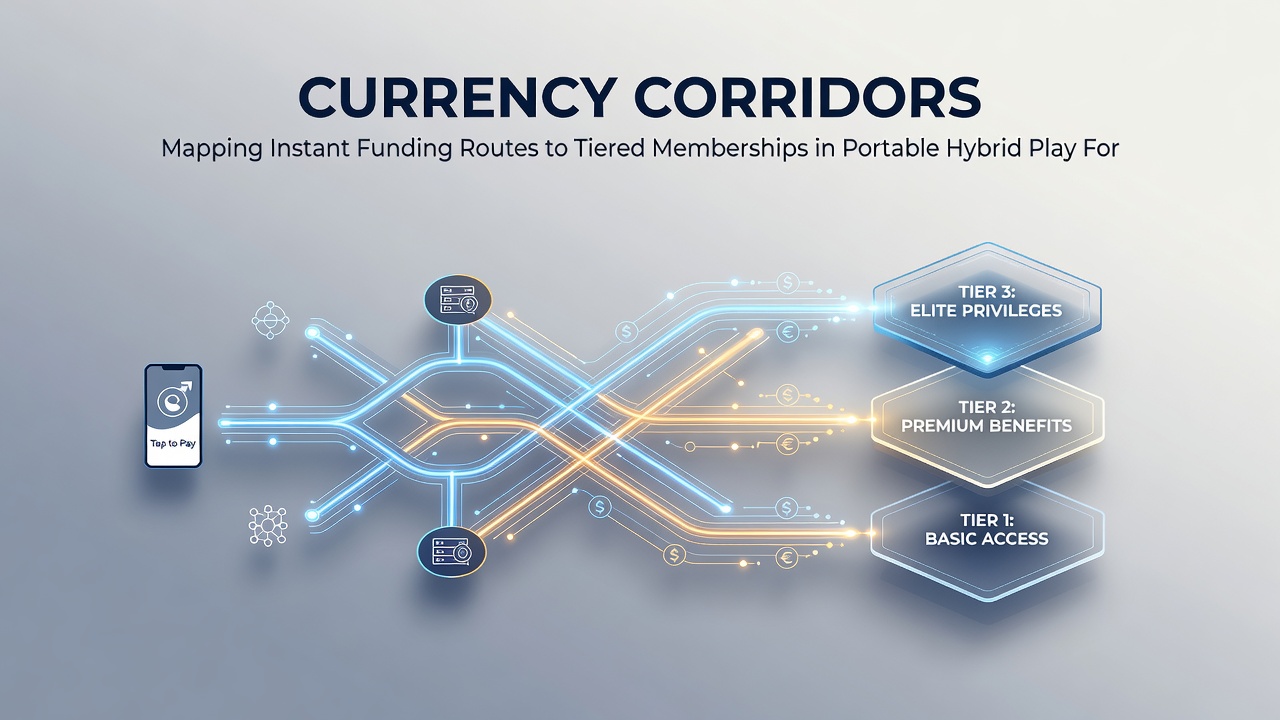
Payment corridors function as mapped pathways that link external financial sources to internal gaming ledgers and researchers at institutions tracking fintech applications in entertainment sectors have identified several recurring patterns including API-driven connections between mobile wallets and central servers alongside blockchain verification layers that confirm transactions without intermediaries. These corridors support hybrid formats where players switch between slot sequences and real-time table sessions on the same device and studies indicate that seamless routing reduces drop-off rates during transitions between game types.
Geographic variations appear in corridor design with platforms serving European markets often incorporating SEPA instant protocols while those in Asia Pacific regions integrate local digital payment networks to accommodate regional preferences and compliance standards. Figures from cross-border transaction analyses reveal average processing times under 10 seconds for verified accounts which in turn feeds into tier progression algorithms that track deposit frequency and volume.
Tiered Membership Structures and Access Mapping
Membership tiers operate on cumulative activity metrics that funding corridors directly influence through volume thresholds and speed bonuses and those analyzing player data sets describe how instant deposits accelerate movement from entry-level access to premium categories that unlock additional game modes or multiplier features. Portable hybrid systems record these movements in real time allowing algorithms to adjust available corridors based on current tier status and analysts from gaming technology conferences have presented case examples where tier upgrades occurred within a single session due to rapid funding sequences.
Security protocols embedded in these mappings include multi-factor authentication tied to device biometrics alongside transaction monitoring that flags unusual patterns without halting legitimate flows and evidence from platform audits demonstrates reduced fraud incidents when corridors incorporate dynamic routing that selects optimal channels based on user location and account history. In June 2026 several operators plan synchronized updates to their corridor infrastructure to align with evolving digital asset regulations across key markets and this timing coincides with broader industry shifts toward unified standards for hybrid play environments.
Technological Integration in Portable Environments
Mobile applications serve as endpoints for these corridors with software layers that maintain session continuity across network changes and developers incorporate predictive routing that anticipates user needs based on historical patterns such as frequent live dealer entries following slot play sequences. Research from university-led projects on digital ecosystems highlights how these integrations create feedback loops where faster funding supports sustained engagement which then generates data for refining tier criteria and corridor efficiency.
Partnerships between payment processors and gaming operators expand corridor options while maintaining separation between financial rails and game outcome systems to meet jurisdictional requirements and reports compiled by international gaming associations document collaborative frameworks that standardize data exchange formats without compromising proprietary algorithms. Users in hybrid formats benefit from unified balance displays that reflect contributions from multiple corridor sources simultaneously and this consolidation simplifies tracking toward tier milestones.
Regulatory and Market Influences
Regulatory bodies in North America and Australia have issued guidelines on transaction transparency that affect corridor design requiring clear disclosure of processing fees and settlement times and compliance teams adjust routing logic accordingly to ensure all pathways meet disclosure standards. Market data compiled through 2025 and into 2026 indicates steady growth in hybrid platform usage correlating with expanded corridor availability and this expansion supports tiered structures that reward consistent activity across both automated and interactive components.
Cross-platform compatibility remains a focus area as corridors must function identically whether accessed via smartphone or tablet interfaces and testing protocols verify performance under varying connectivity conditions to prevent disruptions during tier advancement sequences. Those examining longitudinal datasets note that corridors optimized for speed contribute to higher retention metrics in competitive segments where multiple operators vie for the same user base.
Conclusion
Payment corridors continue to evolve as foundational infrastructure for tiered access in portable hybrid gaming and their mapping influences how users progress through membership levels while supporting the operational demands of mixed-format environments. Ongoing developments scheduled around mid-2026 will likely introduce further refinements to routing logic and integration standards and available records show consistent patterns of adoption across diverse regulatory landscapes.