Tracing Connections Between Random Number Sequences and Tiered Reward Structures in Mixed Format Digital Gaming Ecosystems
Harper Peters · May 23, 2026
Tracing Connections Between Random Number Sequences and Tiered Reward Structures in Mixed Format Digital Gaming Ecosystems
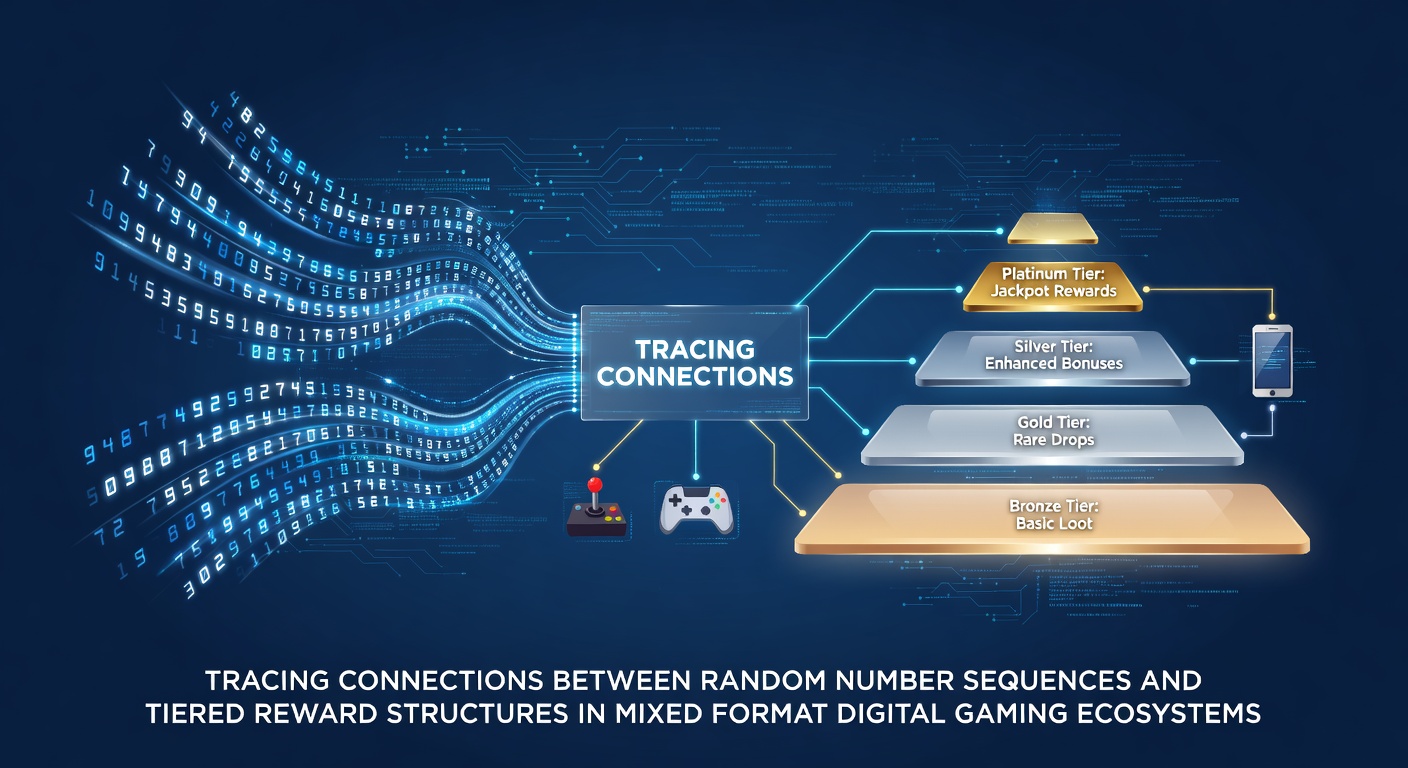
Random number sequences form the backbone of fairness in digital gaming platforms that combine automated slot mechanics with live dealer interactions, while tiered reward structures allocate bonuses and jackpot access based on accumulated player activity, and observers note that these two elements intersect through algorithms that map sequence outputs directly to eligibility thresholds for higher loyalty levels.
Research from the Nevada Gaming Control Board indicates that certified random number generators must produce sequences with statistical independence across millions of iterations, and this requirement extends to mixed ecosystems where live table results interface with digital overlays that trigger tier advancements. Data shows that platforms integrate these sequences into backend systems to determine not only individual spin or card outcomes but also the probability scaling that governs progression through bronze, silver, gold, and platinum reward tiers.
Core Mechanics of Random Number Sequences in Hybrid Environments
Random number generators operate continuously in slot modules while live dealer streams rely on physical shuffles augmented by supplementary digital randomization for side bets and progressive contributions, and this dual approach creates unified data streams that feed into centralized reward engines. Studies from the University of Nevada, Las Vegas gaming research division reveal that sequence periodicity and entropy levels directly influence the frequency of tier-up events, because higher variance sequences increase the occurrence of rare outcomes that platforms classify as qualifying achievements for elevated status.
Platforms track sequence-derived metrics such as hit rates and payout ratios over defined periods, then apply these figures to dynamic tier formulas that adjust bonus multipliers or entry requirements for exclusive events. In May 2026 regulatory filings highlighted increased scrutiny on how sequence integrity affects cross-format reward consistency, particularly when mobile interfaces synchronize real-time live table data with automated reel histories to calculate cumulative loyalty points.
Tiered Reward Structures and Their Data Dependencies
Tiered systems categorize players according to rolling activity windows, granting access to escalating benefits that include personalized progressive jackpots and accelerated point accumulation, and these categorizations depend on verifiable inputs from random number outputs to maintain transparency. Evidence from Australian gambling research centers shows that reward algorithms correlate sequence patterns with tier thresholds, ensuring that advancement occurs proportionally to both volume of play and the statistical significance of individual results within mixed game libraries.
Live dealer sessions contribute to tier progress through documented hand outcomes that platforms convert into digital equivalents, while slot sequences provide the bulk of raw randomization events that populate the same loyalty database. This integration allows operators to apply uniform progression rules across formats without introducing bias from differing randomization sources.
Integration Patterns Across Mixed Gaming Formats
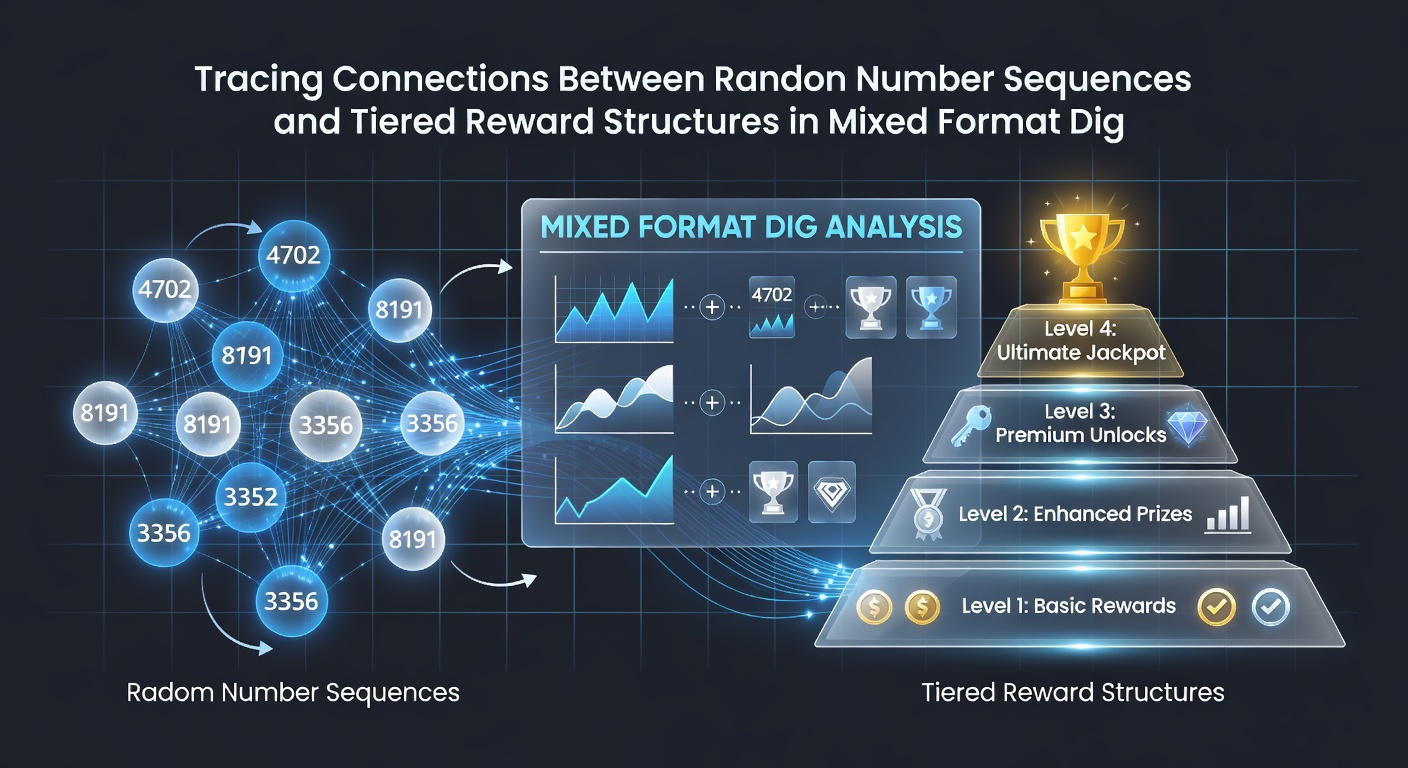
Hybrid platforms merge automated spins with real-time interactions by routing all outcome data through shared application programming interfaces that timestamp and categorize every random event, and this architecture enables reward structures to respond uniformly regardless of whether a player engages with digital reels or participates in live sessions. Figures from the Victorian Commission for Gambling and Liquor Regulation demonstrate that sequence monitoring protocols help verify that tier advancements remain independent of format preference, preventing any single game type from disproportionately influencing loyalty calculations.
Operators implement middleware layers that normalize outputs from disparate random sources into standardized metrics, then map those metrics against tier criteria such as minimum session counts or aggregate wager volumes. In practice this means a sequence producing a high-value slot combination carries equivalent weight toward platinum status as a live table streak that meets predefined probability thresholds.
Regulatory and Technical Developments Through Mid-2026
Regulatory updates issued in early 2026 emphasized enhanced auditing of sequence-to-reward linkages, requiring operators to document how randomization integrity supports equitable tier distribution across user bases. Technical standards now mandate periodic entropy testing that encompasses both slot generators and live-augmented modules, with results feeding directly into compliance reports that cover reward system fairness.
Industry reports compiled during May 2026 documented expanded use of blockchain-verified sequence logs to provide immutable records of how individual outcomes contributed to tier movements, and these logs allow external reviewers to trace specific reward allocations back to their originating random events without compromising player privacy.
Conclusion
Connections between random number sequences and tiered reward structures rest on standardized data pipelines that convert independent randomization events into cumulative loyalty metrics across mixed digital gaming environments. Regulatory data from multiple jurisdictions confirms that ongoing technical refinements continue to strengthen the traceability and statistical soundness of these linkages, supporting consistent reward allocation regardless of game format or player engagement pattern.