The Dynamics of Reward Accumulation in Digital Environments Featuring Both Automated Spins and Real-Time Interactions
Harper Peters · May 18, 2026
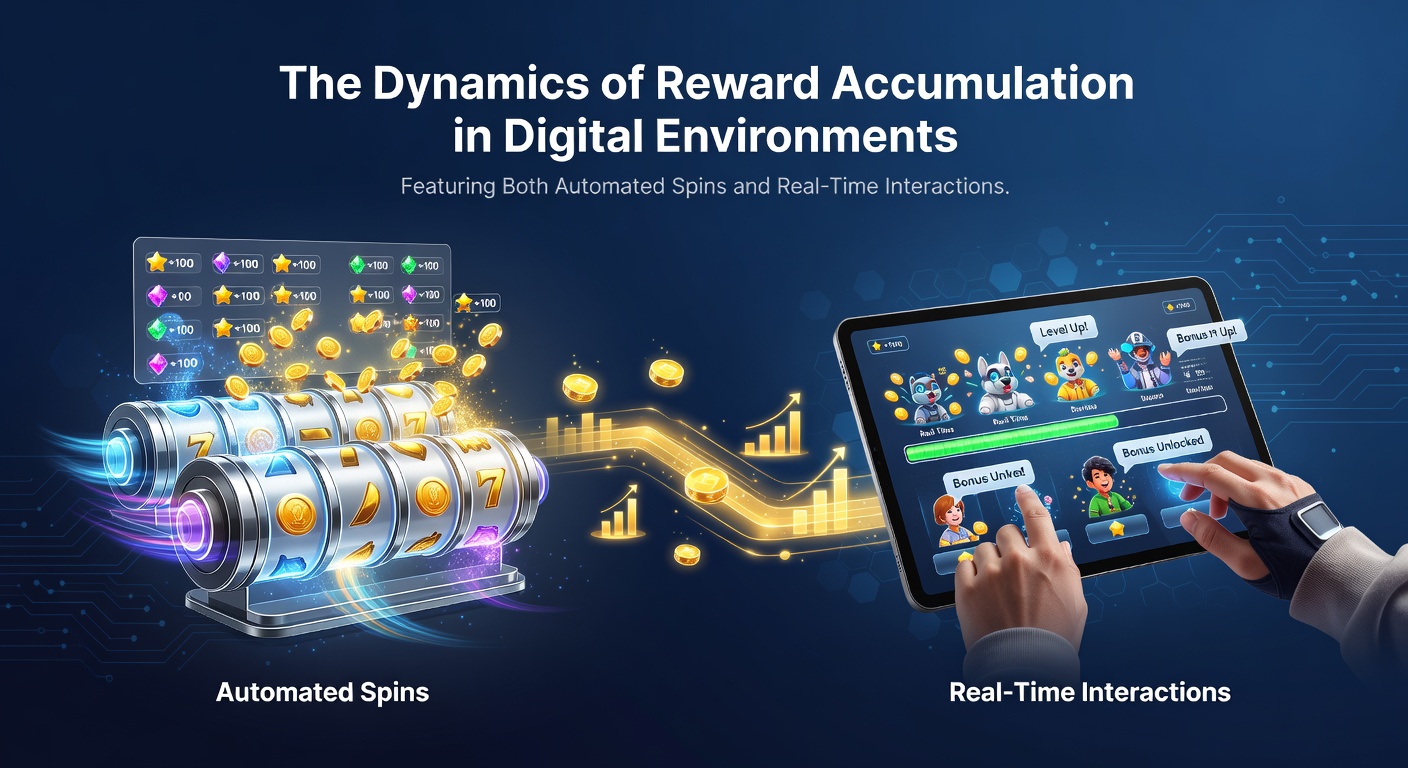
The Dynamics of Reward Accumulation in Digital Environments Featuring Both Automated Spins and Real-Time Interactions
Digital platforms that combine automated spin features with live interactive components create layered systems where rewards build through distinct yet interconnected pathways, and observers note these environments often rely on algorithms that track player engagement across both passive and active modes. Automated spins operate on random number generators that deliver consistent cycles of outcomes while accumulating points, multipliers, and tiered bonuses over extended sessions, whereas real-time interactions introduce variable elements such as dealer decisions, chat-based triggers, and synchronized events that can accelerate or redirect reward flows. Research indicates these hybrid setups emerged prominently in the mid-2020s as operators sought to merge solitary play loops with social dynamics, leading to more complex loyalty structures that respond to multiple inputs simultaneously.
Mechanics of Automated Reward Buildup
Automated spin environments function through preset sequences that credit rewards at regular intervals, and data shows players accumulate base points at rates determined by bet size, session length, and streak patterns without requiring constant input. These systems often incorporate progressive elements where consecutive spins increase multiplier values or unlock secondary prize pools, creating steady upward trajectories that continue even during periods of lower activity. According to industry analyses from the American Gaming Association, such mechanics help sustain long-term participation by providing predictable yet escalating returns that feel responsive to cumulative play history rather than isolated results.
Turns out the integration of automated tracking allows platforms to adjust reward density based on historical data patterns, and experts have observed that this leads to personalized accumulation rates where frequent users see faster progression toward higher tiers. For instance, one study revealed that spin-based loyalty meters refill more rapidly after certain thresholds, which in turn grants access to enhanced features like boosted reel configurations or exclusive daily challenges. What's interesting is how these passive accumulation tools operate independently of user timing, running continuously in the background while the player engages elsewhere on the same platform.
Real-Time Interaction Layers and Their Impact
Real-time components introduce unpredictability into reward systems because live dealer sequences, audience votes, and timed events can multiply or redistribute points earned from automated spins. Researchers discovered that when players switch between spin sessions and interactive tables within the same account, cross-mode bonuses activate more frequently, and this linkage encourages fluid movement across different game types. In May 2026 several major platforms updated their interfaces to display unified reward dashboards that reflect both automated progress and live performance metrics in a single view, allowing users to monitor total accumulation without switching screens.
Observers note that real-time interactions often serve as catalysts rather than primary drivers, since live chat incentives or community challenges can add temporary multipliers to existing spin rewards. This creates situations where a player who has built substantial automated points might see those holdings amplified during a synchronized event, and figures from Canadian regulatory reports confirm such hybrid boosts contribute to higher average session values across monitored operators. Yet the underlying accumulation remains anchored in the automated layer, which continues logging activity even as live elements unfold.
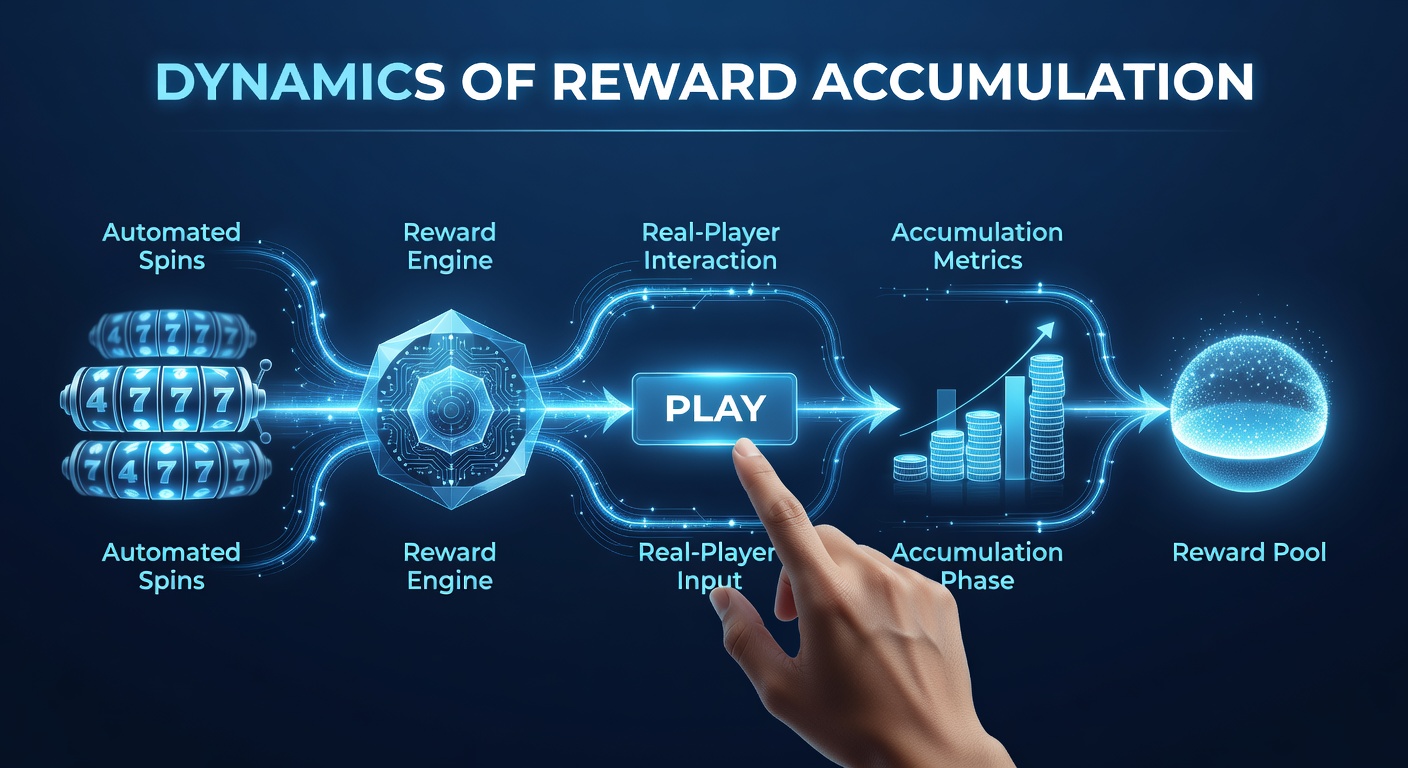
Integrated Systems and Player Progression Patterns
Platforms that successfully merge the two modes use shared ledgers to record every spin outcome alongside every live decision, and this unified accounting enables seamless transfer of value between automated and interactive environments. Data indicates that players who alternate between the two formats tend to reach loyalty milestones more quickly than those focused on a single mode, because each format contributes distinct point categories that combine toward overall status. One case where developers implemented simultaneous tracking showed measurable increases in cross-format engagement after the change, with reward redemption rates rising as users leveraged bonuses earned in spins for live table privileges.
But here's the thing: the timing of real-time events can either complement or interrupt automated cycles depending on platform rules, and studies from academic sources at institutions like the University of Nevada have examined how these interruptions affect perceived reward velocity. Those who've analyzed user logs find that well-timed live bonuses often reset or enhance spin-based meters, creating renewed momentum without requiring additional deposits. Such dynamics help explain why operators continue refining synchronization protocols to maintain balanced accumulation across both channels.
Conclusion
The interplay between automated spins and real-time interactions produces reward ecosystems where steady algorithmic growth meets variable social and event-driven inputs, resulting in multifaceted progression that adapts to individual habits. As platforms refine these connections through ongoing updates, the underlying data patterns reveal consistent structures that support long-term accumulation regardless of play style. External analyses from groups such as the American Gaming Association and research published by European gaming institutes continue to document how these combined systems shape participation metrics across regions, offering clearer pictures of how digital reward dynamics evolve when both automated and interactive elements coexist within the same environment.