From Swipe to Status: Mapping Transaction Speed to Escalation in Player Privilege Programs Within Mobile Casino Ecosystems
Gisela Brooks · Jul 6, 2026
From Swipe to Status: Mapping Transaction Speed to Escalation in Player Privilege Programs Within Mobile Casino Ecosystems
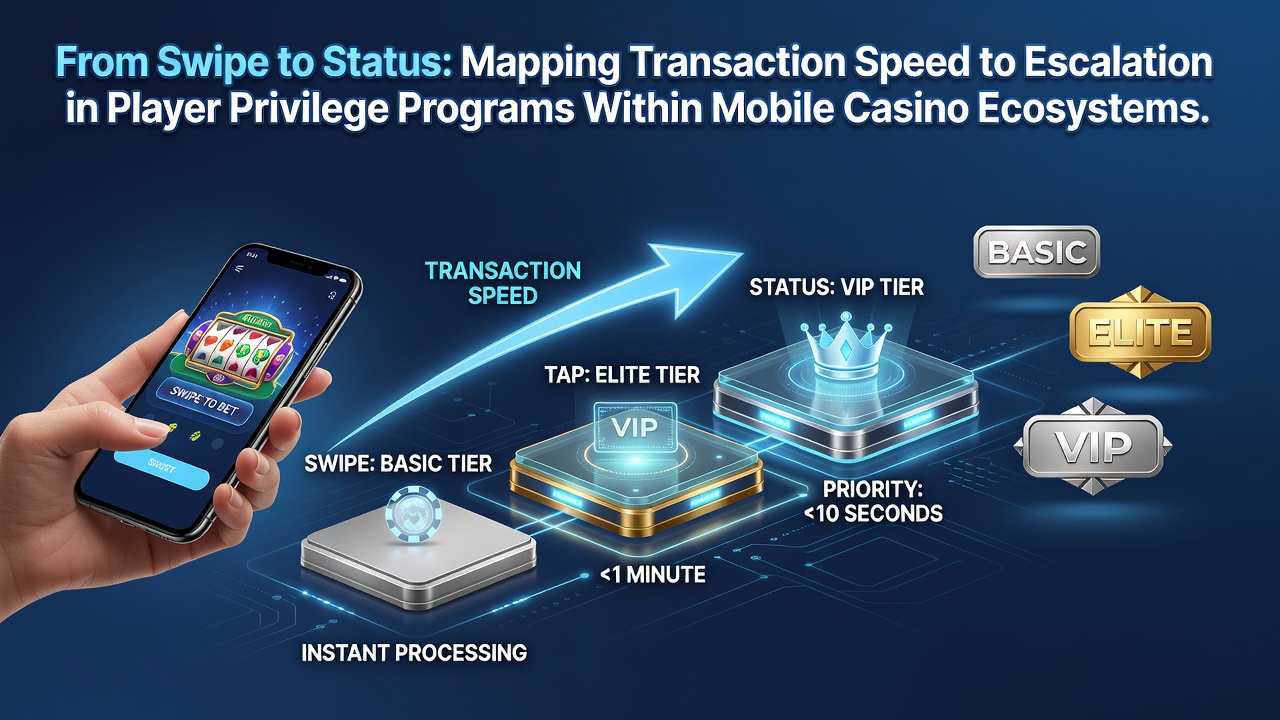
Transaction speed serves as a measurable factor in how mobile casino platforms assign and accelerate player privileges, with faster payment confirmations often correlating to quicker access to loyalty tiers, bonus structures, and jackpot eligibility across slots and live dealer formats. Observers note that platforms integrate e-wallet and instant banking features to process deposits in seconds rather than minutes, and this velocity directly feeds into algorithmic tracking systems that log activity for tier progression. Research from the American Gaming Association indicates that mobile transaction volumes in regulated markets reached notable levels by mid-2026, with patterns emerging where reduced processing times align with higher engagement metrics in hybrid gaming environments.
Mechanics of Speed-Driven Privilege Mapping
Systems within mobile casino applications monitor deposit and withdrawal intervals as data points that influence automated evaluations for player status upgrades, and these evaluations draw from combined metrics including wager volume, session frequency, and payment method efficiency. When a user completes a transaction through supported digital wallets, the platform registers the event timestamp, which then contributes to cumulative scores used in tier advancement protocols. Data shows that intervals under thirty seconds frequently trigger priority processing in backend reward engines, whereas slower methods such as certain card authorizations may delay the same recognition by several cycles. This mapping operates through predefined thresholds, so repeated swift interactions accumulate toward silver, gold, or platinum designations without requiring separate manual requests.
Integration Across Game Types
Hybrid mobile platforms that combine automated reel spins with real-time table interactions apply transaction speed data uniformly to both segments, allowing a single deposit to unlock layered incentives like progressive pot entries and live dealer table reservations. Researchers have documented cases where players using near-instant settlement options advanced through initial loyalty stages within shorter calendar periods compared to those relying on standard banking rails. Figures from industry reports reveal that by July 2026, mobile ecosystems in multiple jurisdictions reported elevated average daily transaction counts, with the majority processed via low-latency channels that feed directly into privilege dashboards visible to account holders.
Regional Regulatory Contexts adn Data Patterns
Regulatory frameworks in North America and Australia shape how transaction data interfaces with privilege programs, and operators must maintain audit trails that demonstrate fair mapping between payment velocity and reward access. The Nevada Gaming Control Board publishes aggregated statistics on mobile gaming activity, which include references to payment processing times and their role in loyalty system integrity. Meanwhile, analyses from the Australian Institute of Criminology highlight correlations between digital payment adoption rates and tiered reward distribution in portable gaming formats, noting that faster confirmation windows reduce friction points that otherwise slow progression toward elite categories. These sources emphasize compliance requirements rather than prescriptive design, yet the resulting operational data provides observable trends across platforms.
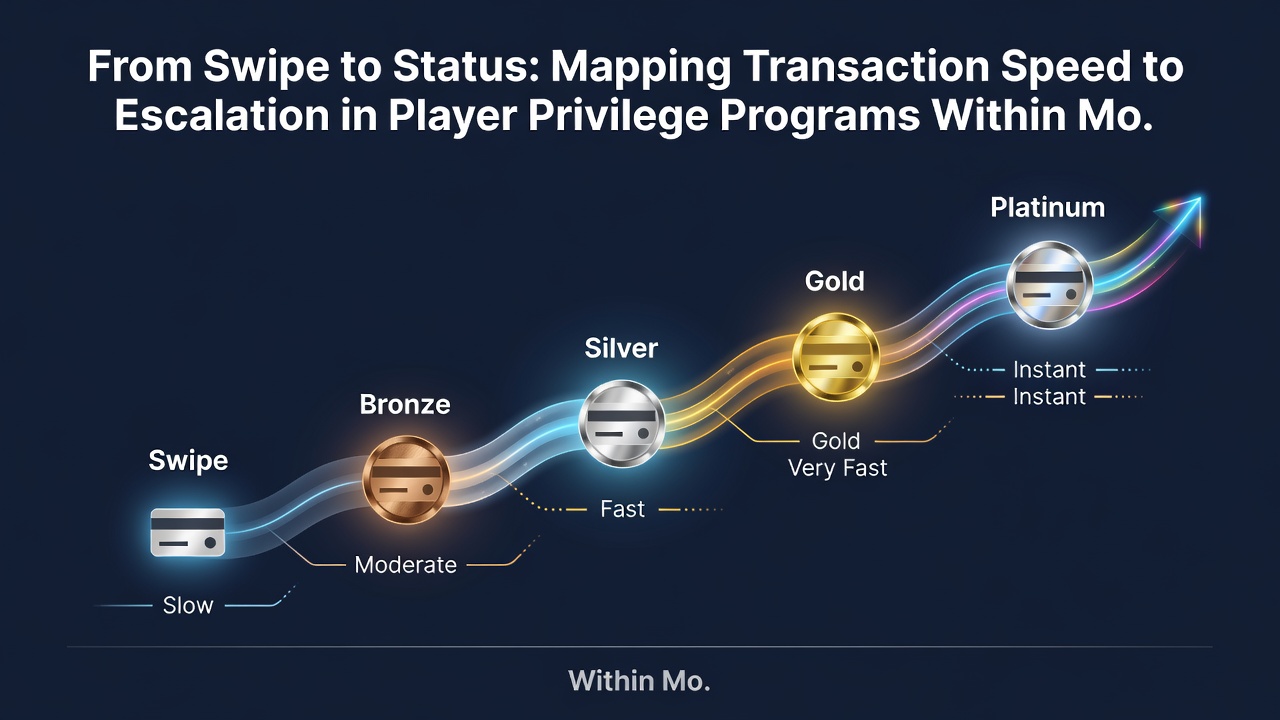
Observers note that cross-platform comparisons reveal consistent patterns where providers prioritizing sub-minute processing achieve higher reported retention figures in monthly summaries, while slower alternatives correspond to extended intervals between tier reviews. This holds across diverse game mixes, from progressive reel accumulations to interactive dealer sessions, because the underlying tracking logic prioritizes confirmed funds availability over the specific game category selected after deposit.
Technical Infrastructure Supporting Escalation Pathways
Backend architectures employ timestamp synchronization between payment gateways and loyalty engines, creating a continuous data stream that recalculates player standing after each verified transaction. When speeds fall within optimized ranges, the system applies multiplier effects to activity logs, accelerating eligibility for exclusive features such as personalized jackpot pools or reserved live table seats. Those who have examined platform architectures report that API integrations with multiple wallet providers enable redundancy, ensuring minimal downtime even during peak periods observed around July 2026. The result is a feedback loop where reduced latency in fund movement translates into more frequent status updates visible within the mobile interface itself.
Conclusion
Transaction speed functions as an embedded variable within mobile casino privilege systems, with measurable effects on how quickly participants move through tier structures and access associated benefits. Patterns documented in regulatory releases and research summaries from organizations such as the American Gaming Association and the Australian Institute of Criminology illustrate these connections across regulated markets. As platforms continue refining their technical pathways, the direct linkage between payment confirmation intervals and escalation outcomes remains a central operational characteristic of these ecosystems.