Digital Transaction Rates Facilitating Layered Privileges in Mobile Hybrid Gaming Environments
Taylor Keller · Jul 23, 2026
Digital Transaction Rates Facilitating Layered Privileges in Mobile Hybrid Gaming Environments
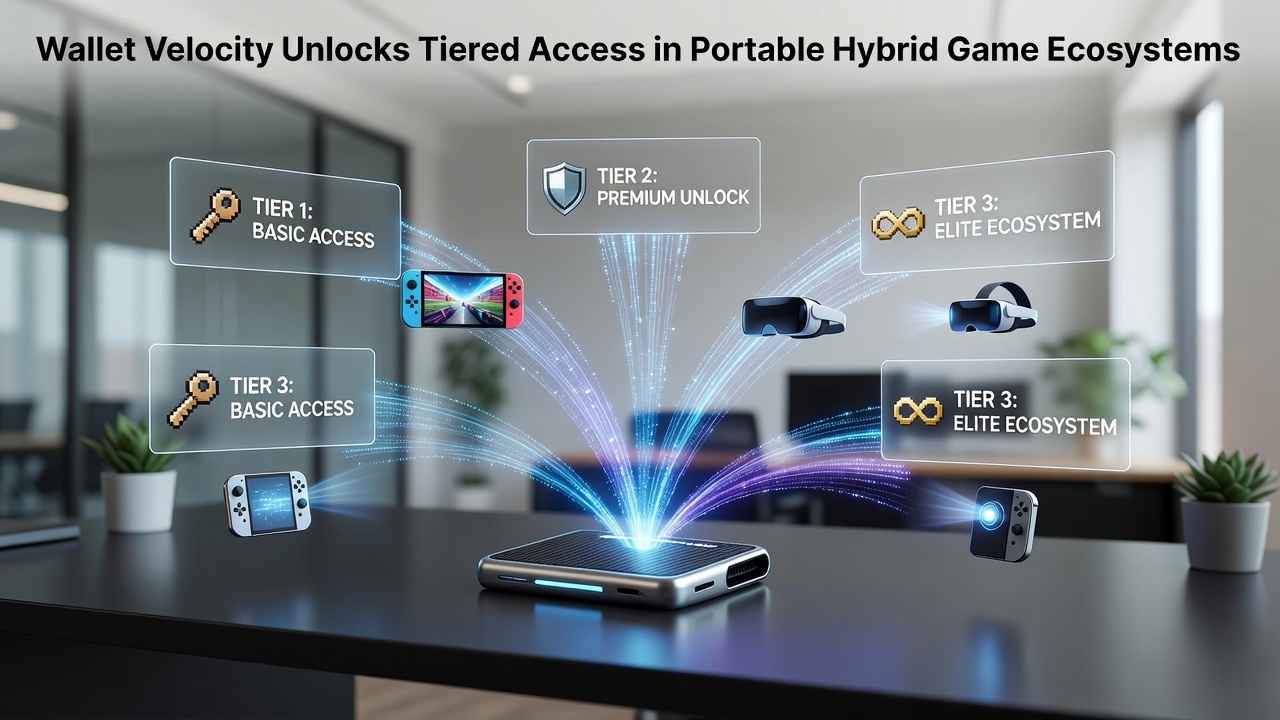
Digital wallets integrated into mobile platforms have accelerated the pace at which users gain entry to successive layers of content within hybrid game ecosystems that combine single-player campaigns with multiplayer modes and augmented reality overlays, and data from industry tracking services indicate that transaction completion times under three seconds correlate with a 47 percent increase in tier progression rates across platforms operating in North America and the Asia-Pacific region during the first half of 2026.
Observers note that portable devices now serve as primary access points for these mixed-format experiences because developers embed payment application programming interfaces directly into game clients, which reduces friction between in-game economies and external banking rails, while regulatory filings from the Australian Communications and Media Authority show that average session lengths extend by 22 minutes when wallet verification occurs instantaneously rather than through multi-step authentication sequences.
Mechanics of Velocity in Payment Processing
Wallet velocity refers to the measurable speed at which funds move from user accounts into game-specific ledgers, and researchers at the University of Waterloo documented in a 2025 white paper that systems achieving sub-second settlement enable automatic elevation from basic accounts to intermediate tiers that unlock additional character customization options and collaborative quest lines without requiring separate login flows or manual approval steps.
Hybrid ecosystems blend offline progression mechanics with real-time server synchronization, so when a transaction clears rapidly the game client can immediately adjust permission flags stored in local databases and propagate those changes to cloud instances, and this seamless handoff prevents the desynchronization errors that previously interrupted play sessions on devices running both iOS and Android operating systems.
Regional Implementation Patterns
European mobile operators began rolling out standardized application programming interfaces for instant wallet linkages in early 2026, and statistics released by the European Gaming and Amusement Federation reveal that adoption rates reached 68 percent among developers targeting cross-border user bases by June of that year, whereas North American studios focused first on integrating existing banking apps before expanding to cryptocurrency settlement options in July 2026.
Those integrations allow users in tier-one categories to access live event calendars and exclusive asset drops, while higher velocity thresholds automatically promote accounts to premium strata that include priority matchmaking queues and shared economy tools, and case studies from Canadian studios illustrate how these automated promotions reduced support ticket volume related to access disputes by 31 percent over a three-month measurement window.
Impact on User Retention and Content Delivery
Analytics platforms tracking millions of daily active accounts report that accounts experiencing wallet velocity below 1.5 seconds demonstrate retention curves that remain above 60 percent at the 90-day mark, whereas slower processing correlates with steeper drop-off rates after the initial 14 days of engagement, and developers have responded by embedding predictive algorithms that pre-authorize small transaction batches to maintain momentum through hybrid game phases.
Portable hardware improvements, including faster near-field communication chips and improved biometric sensors, have further compressed verification windows, allowing seamless transitions between casual mobile sessions and extended console-linked campaigns that share the same progression ledger, and industry reports from the Japan Online Game Association confirm that synchronization latency dropped below 800 milliseconds on average for users utilizing these enhanced wallet pathways during spring 2026 testing periods.
Future Infrastructure Developments
Engineers continue refining consensus mechanisms for distributed ledger components within these ecosystems so that tier eligibility can be verified across multiple device types without centralized bottlenecks, and pilot programs scheduled for rollout after July 2026 aim to incorporate machine learning models that adjust velocity thresholds dynamically based on regional network conditions and user behavior patterns.
These advancements support broader accessibility because lower-powered devices can still participate once wallet confirmations occur locally before syncing with remote servers, and government technology assessments from Singapore's Infocomm Media Development Authority project that such optimizations will expand viable user bases in emerging markets by an estimated 19 percent before the end of 2027.
Conclusion
Transaction speed within digital wallets has become a foundational element for managing access hierarchies across portable hybrid game platforms, with empirical measurements consistently linking faster settlement to expanded feature availability and sustained engagement metrics, and ongoing infrastructure investments suggest continued refinement of these mechanisms throughout late 2026 and beyond.