Cross-Border Information Exchanges Reshaping Tiered Entry Systems in Hybrid Digital Betting Environments
Gisela Brooks · Jun 1, 2026
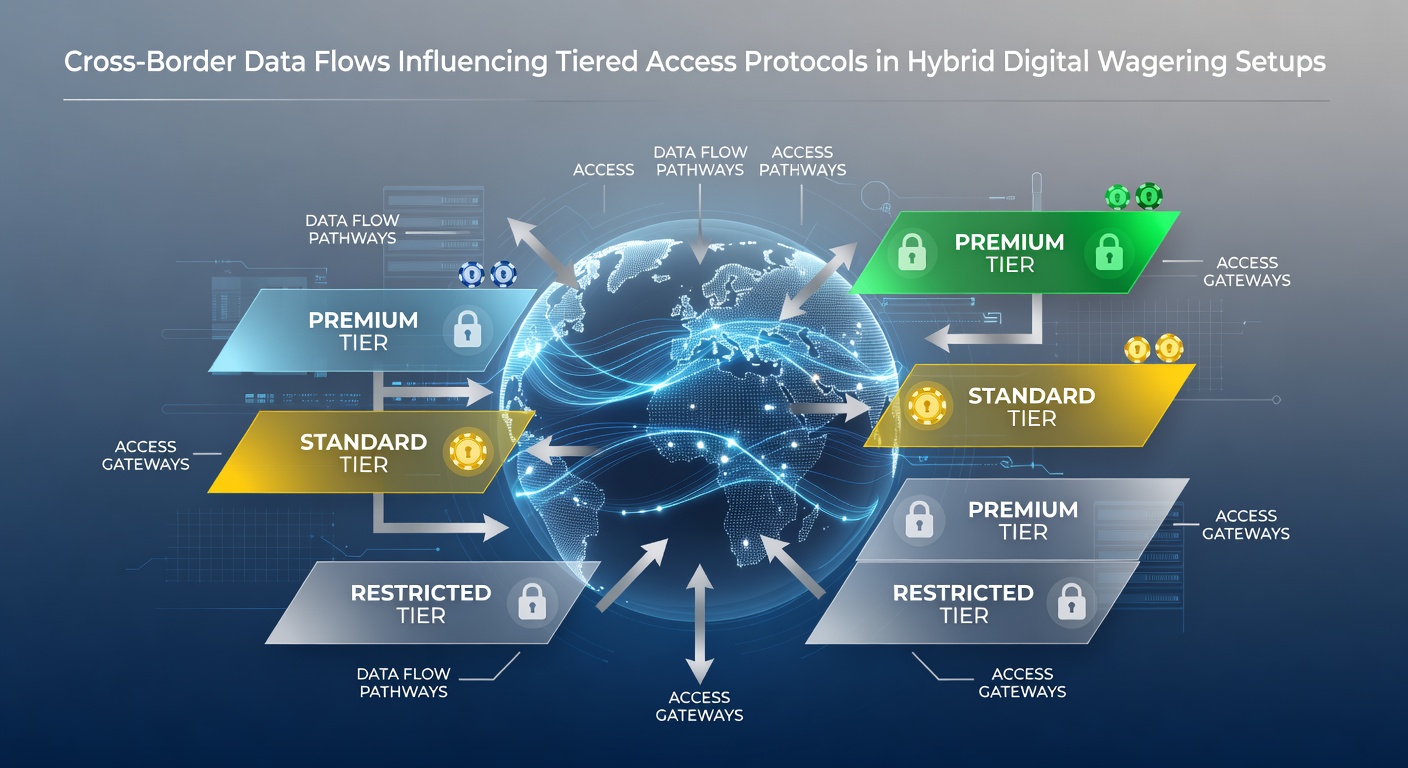
Cross-Border Information Exchanges Reshaping Tiered Entry Systems in Hybrid Digital Betting Environments
International regulations on personal information movement now dictate how operators structure access levels within platforms that combine automated slot mechanics with live dealer sessions, and observers note these rules have grown more intricate since early 2025. Data must often remain within specific jurisdictions while still supporting the real-time calculations needed for progressive reward ladders, which creates friction when users cross borders during play sessions. Research from multiple regions shows operators adjusting their backend architectures to comply with transfer restrictions while maintaining seamless tier upgrades for high-volume participants.
Regulatory Pressures on Data Movement
Authorities in the European Union continue to enforce strict limits on transfers outside the bloc under the General Data Protection Regulation, and similar frameworks in Canada and Australia impose comparable requirements that affect how player profiles move between servers. According to figures released by the Office of the Australian Information Commissioner, cross-border transfers in the digital entertainment sector rose by 18 percent in the twelve months ending March 2026, yet compliance costs for operators increased at nearly twice that rate. Those who've examined enforcement actions find that violations trigger immediate restrictions on data processing, which directly limits an operator's ability to apply location-based tier adjustments.
Platforms handling hybrid formats must segment data flows so that automated game results and live interaction logs stay within approved regions, and this segmentation influences which reward tiers become visible to users in different locations. A single account might qualify for elevated status in one jurisdiction but face reduced features when the same user travels, because the underlying performance metrics cannot transfer freely. Experts tracking these patterns report that operators now deploy regional data silos connected through encrypted gateways that only activate after explicit consent checks.
Effects on Hybrid Platform Architectures
Hybrid wagering environments rely on synchronized data streams from random number generators and live video feeds to calculate eligibility for tiered benefits, yet cross-border rules require these streams to pause or reroute when they encounter regulatory boundaries. Operators respond by building conditional access layers that evaluate a user's current jurisdiction before displaying personalized reward structures, and this approach prevents unauthorized data leakage while still allowing core gameplay to continue. Studies conducted by academic teams in North America indicate that such layered protocols reduce unauthorized access incidents by measurable margins, although they add processing latency that varies by region.
One documented case involved an operator that reconfigured its loyalty calculation engine after new guidelines took effect in June 2026, which forced the separation of live table data from slot progression metrics when either crossed into jurisdictions with stricter transfer rules. The change allowed continued tier advancement for users within approved zones while blocking partial data exports that previously supported unified global leaderboards. Observers tracking industry responses note that similar adjustments appear in multiple markets, driven by the need to preserve both regulatory compliance and user engagement metrics.

Operational Adjustments and User Access Patterns
Operators increasingly rely on localized consent management systems that refresh user permissions whenever location data indicates a border crossing, and these systems directly govern which tiered features appear on mobile interfaces. Data collected through these mechanisms shows that users who frequently move between regulatory zones encounter more frequent verification prompts, which in turn affects how quickly they accumulate points toward higher access levels. Industry reports compiled by the Canadian Gaming Association reveal that platforms adopting dynamic consent flows experienced a 12 percent drop in cross-border account disputes during the first half of 2026.
Technical teams now integrate geofencing tools with data residency requirements so that progressive jackpot contributions and live dealer session logs remain stored only in permitted locations, and this practice shapes teh visibility of elite tier invitations. When a user attempts to access features that would require transferring historical performance data across borders, the system either substitutes aggregated regional statistics or withholds the upgrade entirely until compliance pathways clear. Those monitoring platform updates note that these substitutions maintain operational continuity without violating transfer prohibitions.
Emerging Practices in June 2026
By June 2026 several major providers had implemented standardized data mapping protocols that tag every player metric with its permissible transfer zones, and these tags feed directly into tier evaluation algorithms. The mapping allows automated decisions on whether a user's accumulated activity qualifies for upgraded access or requires regional isolation, and early adoption data suggests reduced compliance review times for operators using the approach. Regulatory bodies across multiple continents continue to issue guidance on acceptable encryption standards for the remaining permitted transfers, which further refines how hybrid platforms synchronize live and automated game data.
Conclusion
Cross-border data constraints continue to drive architectural changes in systems that blend automated and interactive wagering formats, with tiered access protocols adapting through segmented storage, conditional consent flows, and jurisdiction-aware calculation engines. The patterns observed through mid-2026 indicate operators will keep refining these mechanisms as enforcement priorities shift across regions, while maintaining the core functionality that supports reward progression for eligible users. Continued monitoring of regulatory updates remains essential for understanding how future adjustments will influence platform design and user access structures.