Blockchain-Enabled Transaction Flows Enhancing Loyalty Milestones in Mixed Mobile Gaming Formats
Taylor Keller · Jun 27, 2026
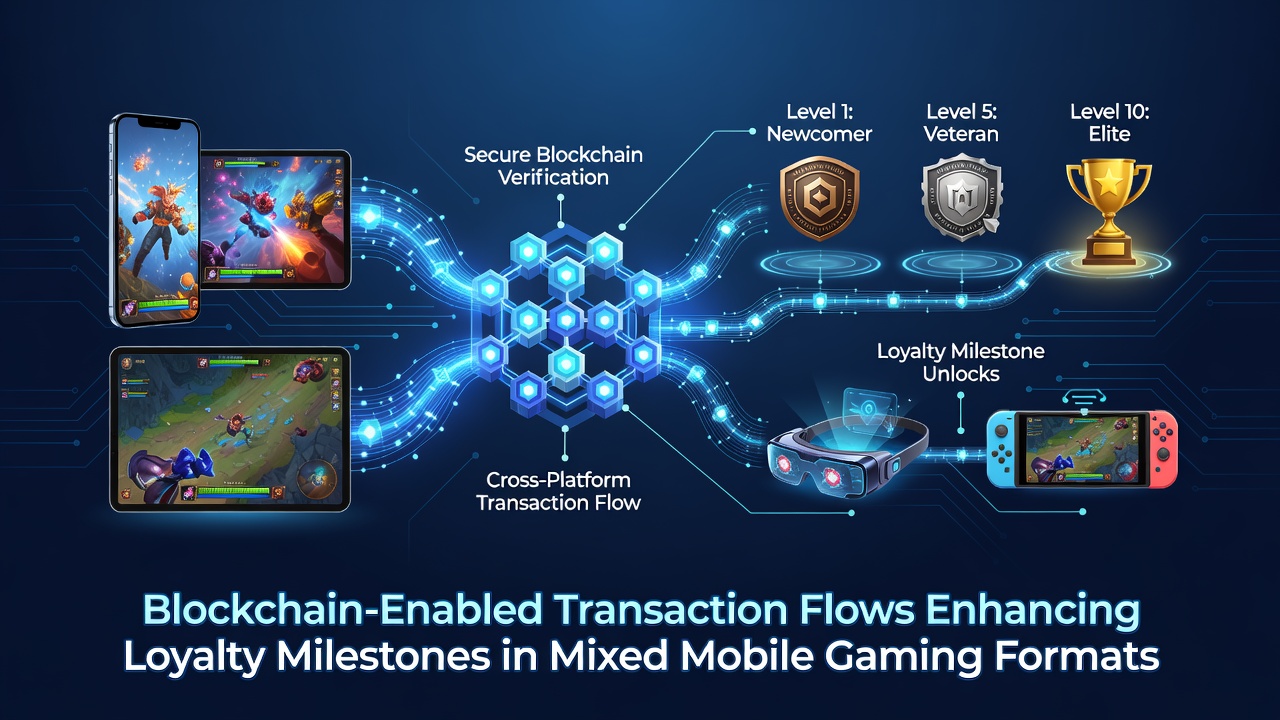
Blockchain-Enabled Transaction Flows Enhancing Loyalty Milestones in Mixed Mobile Gaming Formats
Blockchain technology creates verifiable transaction pathways that record player activities across automated and interactive mobile gaming systems, and these pathways support precise tracking of loyalty milestones without relying on centralized databases. Mobile platforms integrate distributed ledger entries to log spins, session durations, and real-time decisions in a single immutable chain, which allows developers to define milestone thresholds that trigger rewards automatically once conditions are met.
Transaction Flow Architecture in Hybrid Environments
Each player action generates a timestamped block entry that combines data from reel-based mechanics with live decision points, and this combination produces a continuous record that updates loyalty balances in near real time. Smart contracts execute predefined rules when cumulative activity reaches specific volumes, such as completing a set number of automated rounds followed by interactive challenges, and the execution happens without manual intervention from platform operators. Observers note that this architecture reduces reconciliation delays that previously occurred when separate systems handled different game types.
Loyalty Milestone Mechanisms Supported by Distributed Ledgers
Loyalty programs define ascending tiers based on aggregated transaction volume rather than isolated game categories, and blockchain entries allow seamless aggregation because every action carries cryptographic proof of occurrence. Players advance through milestones when combined metrics satisfy contract conditions, whether those metrics derive from high-frequency automated sequences or slower-paced interactive sessions. Research from the National University of Singapore indicates that such unified tracking increases milestone completion rates by aligning incentives across format boundaries.
Security features embedded in the ledger prevent retroactive alterations to activity histories, which means milestone achievements remain consistent even when players switch devices or operating systems mid-session. Verification nodes distributed across multiple regions confirm each new block, and this process maintains data integrity while supporting the high transaction throughput required by mobile networks during peak usage periods.
Implementation Patterns Observed in 2026 Deployments
By June 2026 several platform operators had completed integration phases that linked existing mobile wallets to blockchain settlement layers, and these phases produced measurable reductions in reward processing times. The updates coincided with broader industry shifts toward portable hybrid formats that blend quick-play mechanics with extended interactive sequences. Figures released by the Australian Communications and Media Authority show increased adoption of ledger-based loyalty modules among developers targeting cross-border audiences.
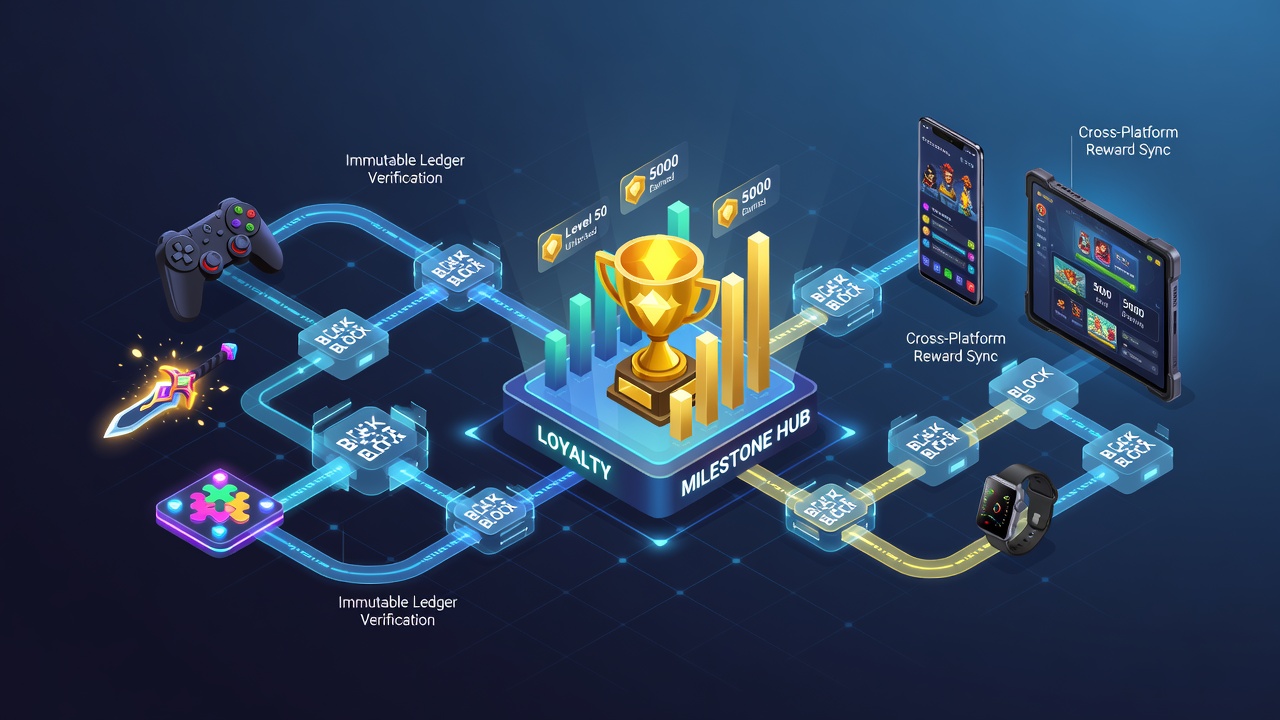
Developers configure milestone trees that branch according to player-selected paths, yet the underlying ledger treats all branches as sequential entries within the same account namespace. This structure permits simultaneous progress across multiple reward tracks without creating conflicting state records. Academic papers from the University of Toronto's blockchain research group document how such trees maintain consistency when network latency fluctuates during live interactive segments.
Cross-Format Data Exchange and Verification Standards
Interoperability protocols allow transaction data generated on one mobile title to contribute toward milestones in another title operated by the same ecosystem, and these protocols rely on standardized block schemas that preserve format-specific metadata while enabling aggregate calculations. Regulatory frameworks in the European Union require transparent audit trails for any system that awards value based on player activity, and distributed ledgers satisfy those requirements by exposing verifiable histories to authorized examiners without exposing personal identifiers.
Payment rails connected to the same ledger settle both in-game purchases and reward redemptions through identical verification steps, which eliminates separate reconciliation processes that once separated financial and loyalty data streams. Observers report that this convergence shortens the interval between milestone achievement and reward availability from hours to seconds in many tested deployments.
Conclusion
Blockchain transaction flows establish a shared foundation for recording activity across mixed mobile gaming formats, and they enable loyalty milestones to reflect combined contributions from automated and interactive elements. Continued refinement of smart contract logic and interoperability standards supports further expansion of these systems into additional regions and device types as adoption metrics continue to rise through 2026 and beyond.