Algorithmic Twists and Loyalty Loops: Mapping Reward Pathways in Portable Hybrid Gaming Worlds
Harper Peters · Jul 16, 2026
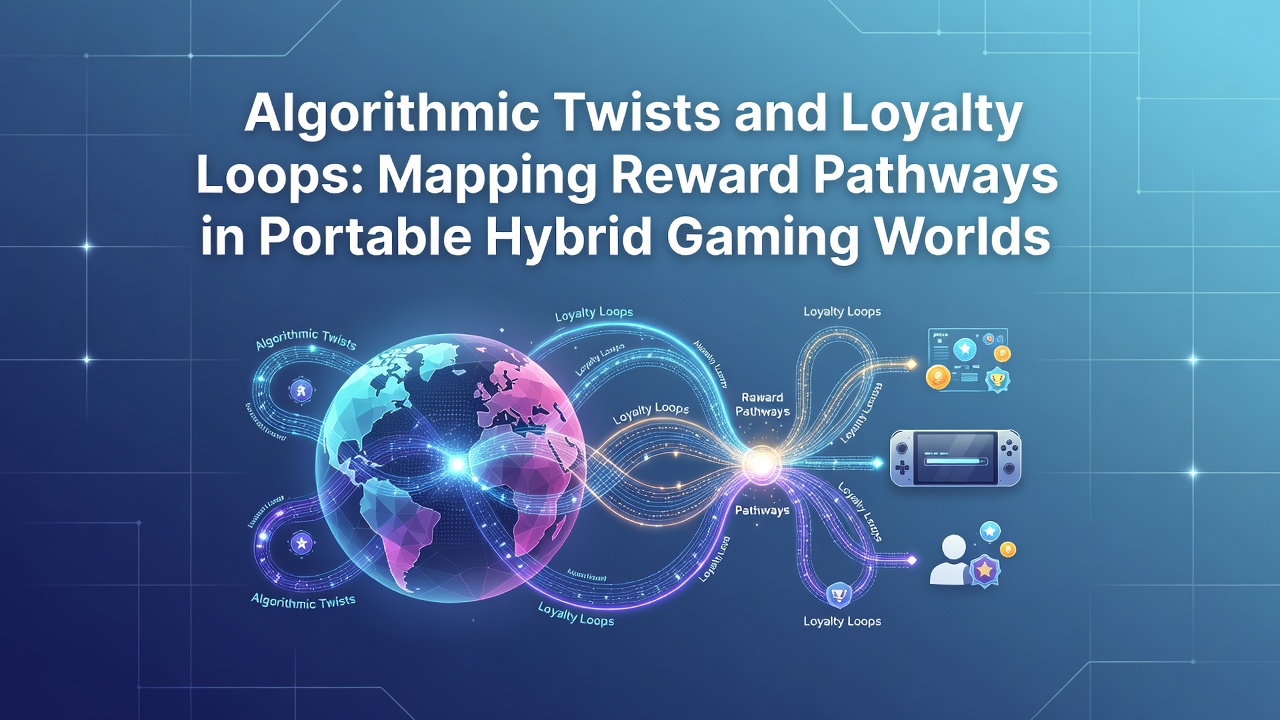
Algorithmic Twists and Loyalty Loops: Mapping Reward Pathways in Portable Hybrid Gaming Worlds
Portable hybrid gaming worlds combine elements of single-player progression with real-time multiplayer interactions on mobile devices, creating reward structures that adapt through algorithmic adjustments. These systems track player behavior across sessions and adjust point allocations, level unlocks, and item distributions based on patterns observed in user data. Industry reports from mid-2026 show increased deployment of such mechanics in games that blend offline exploration with online events, particularly during July when seasonal updates often coincide with new device launches.
Core Components of Reward Algorithms
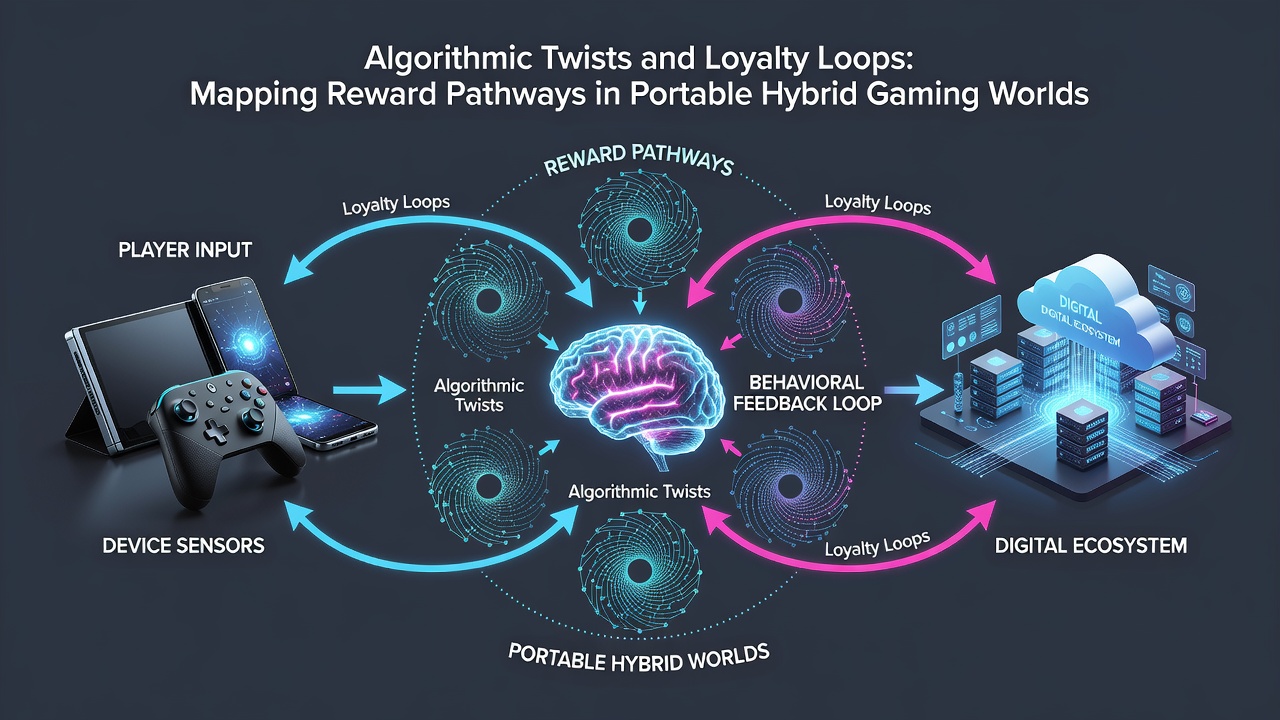
Developers implement decision trees and reinforcement learning models to map player actions onto reward tiers, while data from device sensors and session logs feed into these calculations to determine when users receive bonuses or challenges. Studies from the University of Melbourne indicate that hybrid formats allow algorithms to shift between deterministic rewards for story completion and probabilistic elements for competitive matches, maintaining engagement across varied play styles. Observers note that these adjustments occur in real time, using variables such as time spent in each mode and frequency of social interactions to refine future outputs.
Mapping Loyalty Loops in Mobile Ecosystems
Loyalty loops emerge when algorithms detect recurring player sequences and insert tailored incentives to extend session length or encourage daily returns. For instance, a system might recognize repeated offline farming followed by online sharing and respond by offering cross-mode currency that converts between formats. Research conducted by the Entertainment Software Association of Canada reveals that such loops operate through feedback cycles where completion rates influence subsequent difficulty scaling, creating pathways that evolve with each iteration. Data collected through July 2026 demonstrates consistent application across platforms supporting both asynchronous progress and live events.
Portable constraints influence how these pathways function, since limited processing power and intermittent connectivity require lightweight models that prioritize local computation before syncing with central servers. Engineers design fallback mechanisms that preserve partial rewards during offline periods, then reconcile them upon reconnection without disrupting the overall loop structure. Those who analyze telemetry logs find that successful implementations reduce drop-off rates by aligning reward timing with predicted user availability windows derived from historical patterns.
Regional Data Trends and Implementation Patterns
European Union gaming market analyses from 2026 highlight growth in hybrid titles that incorporate algorithmic reward mapping, with particular emphasis on titles available across multiple device types. Figures released in July indicate steady increases in average session duration when reward pathways incorporate both immediate micro-rewards and longer-term progression milestones. Similar patterns appear in reports from the Australian Interactive Games Association, where developers document how location-based triggers integrate with loyalty systems to prompt hybrid gameplay transitions.
Cross-platform compatibility adds another layer, as algorithms must account for differences in input methods and screen sizes while preserving consistent reward delivery logic. Teams working on these systems often employ modular code structures that allow independent updates to the mapping layer without altering core game mechanics. Evidence from academic papers published through various research institutions shows that iterative testing refines these models by comparing retention metrics before and after specific algorithmic changes.
Technical Considerations in Pathway Design
Security protocols protect the integrity of reward calculations by encrypting session data during transmission between devices and servers. Developers incorporate checksum validations to prevent tampering that could bypass intended loops. Observers note that hybrid environments demand particular attention to synchronization issues, since desynchronized states can interrupt loyalty progression and require manual reconciliation processes.
Examples from released titles demonstrate how algorithms balance accessibility for new users with depth for veterans through dynamic scaling of reward density. One documented case involved adjusting point multipliers based on detected skill brackets derived from performance analytics, resulting in sustained participation across demographic segments. Researchers continue to examine how these adjustments interact with broader platform policies on data usage and user consent.
Conclusion
Algorithmic mapping of reward pathways in portable hybrid gaming continues to evolve through integration of behavioral data, device capabilities, and cross-mode progression mechanics. Reports from July 2026 underscore ongoing refinements in loyalty loop structures across multiple regions. Those studying these systems track how updates maintain balance between immediate feedback and sustained engagement without relying on single-format constraints.